
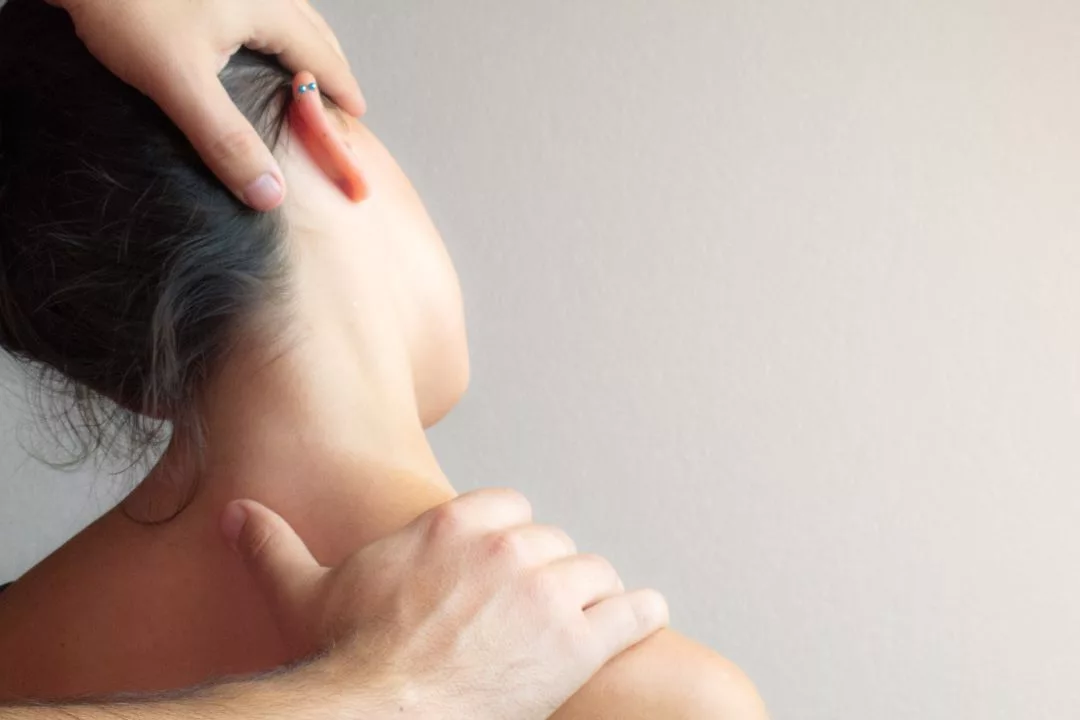
Jaw pain, facial tension, clicking, headaches and neck stiffness are more connected than many people realise. For many individuals, temporomandibular joint (TMJ) dysfunction doesn’t occur in isolation — it often coexists with neck pain, headaches, posture-related strain and muscle overload.
At Mornington Peninsula Family Physiotherapy, we regularly assess and treat TMJ-related pain using evidence-based physiotherapy approaches designed to reduce pain, restore movement and improve long-term function.
What Is TMJ Dysfunction?
The temporomandibular joint (TMJ) connects your jaw to your skull and plays an essential role in speaking, chewing and everyday movement.
When the joint, surrounding muscles or associated structures become overloaded or irritated, this can lead to temporomandibular disorders (TMD) — a common condition affecting jaw function and facial comfort.
TMJ dysfunction frequently presents alongside:
- Neck pain
- Facial tension
- Headaches
- Clenching or grinding
- Reduced jaw mobility
- Postural strain
Common Causes of Jaw Pain & TMJ Dysfunction
TMJ pain is rarely caused by one factor alone. More commonly, it develops due to a combination of mechanical, muscular and lifestyle contributors.
Common contributing factors include:
- Stress-related jaw clenching
- Teeth grinding (bruxism)
- Sustained poor posture
- Forward head posture
- Jaw or facial trauma
- Dental or orthodontic history
- Muscle overload and altered jaw movement patterns
Modern work habits — particularly prolonged screen use and desk-based posture — can also increase strain through the neck and jaw region.
Signs Your Jaw May Be Contributing to Headaches or Neck Pain
TMJ dysfunction can present in many different ways. Symptoms may include:
- Jaw pain or tightness
- Clicking or popping when opening the mouth
- Restricted jaw opening
- Facial pain or tension
- Ear discomfort
- Tooth sensitivity
- Neck stiffness
- Recurrent headaches
For some people, headaches are actually being aggravated by dysfunction through the upper neck and jaw together.
The Neck–Jaw Connection
Research increasingly supports the close relationship between the jaw, upper cervical spine and headache presentations.
The muscles and joints around the jaw work closely with the neck to support posture, movement and stability. When one area becomes overloaded, the other often compensates.
This is why effective TMJ treatment should not focus solely on the jaw itself.
At Mornington Peninsula Family Physiotherapy, physiotherapy assessment considers:
- Jaw movement and symmetry
- TMJ joint mechanics
- Neck posture and cervical spine involvement
- Muscle tension and motor control
- Lifestyle contributors such as stress, sleep and workload
Physiotherapy Treatment for TMJ Pain
Treatment is tailored to the individual and guided by the findings of the assessment.
Depending on presentation, physiotherapy management may include:
- TMJ joint mobilisation
- Jaw muscle release techniques
- Cervical spine manual therapy
- Jaw retraining exercises
- Motor control and strengthening work
- Postural education
- Stress and clenching management strategies
The aim is not simply short-term symptom relief, but improving long-term movement quality, reducing overload and restoring confidence in everyday function.
When To Seek Help
If jaw pain, headaches or neck tension are becoming persistent, interfering with eating, sleep, concentration or daily comfort, assessment may help identify the underlying contributors earlier.
Because TMJ dysfunction is often multifactorial, a thorough physiotherapy assessment can provide clarity around what is driving symptoms and what treatment approach is most appropriate.
Ready to relieve jaw pain, tension and headaches?
If you’re experiencing jaw pain, clicking, clenching, headaches or facial tension, our physiotherapists can assess the underlying contributors and create a personalised treatment plan tailored to you.
Book your TMJ physiotherapy appointment online or call 03 5976 4944
No referral needed
